The Picture of Dorian Gray
en · 1890 · Edizione digitale · IT
Un ritratto che invecchia al posto del suo modello: bellezza, vizio e condanna nell'estetismo di Wilde.
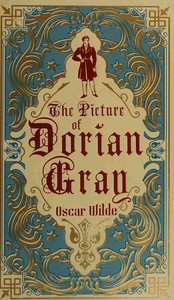
Oscar Wilde
Nel 1890 Oscar Wilde pubblicò sulla rivista Lippincott's la storia di un giovane bellissimo che desidera restare giovane mentre il suo ritratto invecchia al suo posto. L'anno dopo, in volume, aggiunse sei capitoli: è questa l'edizione del 1891, quella che si legge oggi e che trovi qui nell'originale inglese e in traduzione italiana. Basil Hallward dipinge Dorian Gray e mette nel quadro tutta la propria ammirazione; Lord Henry Wotton, con la sua conversazione brillante e corrosiva, insegna al giovane a considerare la bellezza l'unica cosa che conti. Da quella sera il ritratto comincia a cambiare: porta i segni delle colpe e degli anni che Dorian non vuole mostrare sul proprio volto. È un romanzo sul prezzo della vanità, sull'arte che rivela ciò che nascondiamo e sulla doppiezza dell'Inghilterra vittoriana; fu usato come prova contro Wilde nei processi del 1895. Perché leggerlo oggi: perché è breve, perché ogni battuta di Lord Henry è una massima su cui si resta a discutere, e perché la storia del ritratto è diventata un mito moderno. La traduzione italiana è automatica e non revisionata: dichiara i suoi limiti, e l'originale inglese resta disponibile nella stessa scheda.
THE PREFACE The artist is the creator of beautiful things. To reveal art and conceal the artist is art’s aim. The critic is he who can translate into another manner or a new material his impression of beautiful things. The highest as the lowest form of criticism is a mode of autobiography. Those who find ugly meanings in beautiful things are corrupt without being charming. This is a fault. Those who find beautiful meanings in beautiful things are the cultivated. For these there is hope. They are the elect to whom beautiful things mean only beauty. There is no such thing as a moral or an immoral book. Books are well written, or badly written. That is all. The nineteenth century dislike of realism is the rage of Caliban seeing his own face in a glass. The nineteenth century dislike of romanticism is the rage of Caliban not seeing his own face in a glass. The moral life of man forms part of the subject-matter of the artist, but the morality of art consists in the perfect use of an imperfect medium. No artist desires to prove anything. Even things that are true can be proved. No artist has ethical sympathies. An ethical sympathy in an artist is an unpardonable mannerism of style. No artist is ever morbid. The artist can express everything. Thought and language are to the artist instruments of an art. Vice and virtue are to the artist materials for an art. From the point of view of form, the type of all the arts is the art of the musician. From the point of view of feeling, the actor’s craft is the type. All art is at once surface and symbol. Those who go beneath the surface do so at their peril. Those who read the symbol do so at their peril. It is the spectator, and not life, that art really mirrors. Diversity of opinion about a work of art shows that the work is new,
en · 1890 · Edizione digitale · IT
Un ritratto che invecchia al posto del suo modello: bellezza, vizio e condanna nell'estetismo di Wilde.
Licenza: PD-IT. Pubblico dominio in Italia (autore morto nel 1900). Fonte: https://www.gutenberg.org/ebooks/174
it · 2026 · GratisChiaro · IT
Traduzione italiana automatica, non revisionata, di The Picture of Dorian Gray. L'originale inglese resta disponibile nella stessa scheda.
Traduzione automatica dall'inglese, non revisionata: può contenere errori. Il testo di partenza è l'originale di pubblico dominio; l'edizione inglese resta disponibile qui sopra.
Licenza: PD-IT-TRADUZIONE-AUTOMATICA. Testo originale di pubblico dominio: The Picture of Dorian Gray, Project Gutenberg n. 174 (edizione 1891). Traduzione automatica non revisionata, pubblicata gratuitamente da GratisChiaro insieme all'originale inglese.
GratisChiaro pubblica solo libri gratuiti e legalmente distribuibili. Licenza, fonte e attribuzione sono indicate per ogni edizione; se un formato non è disponibile, il libro resta consultabile nella scheda e rimanda alla fonte autorizzata.
Scegli il servizio: ti localizzo e ti mostro i punti più vicini sulla mappa, con distanza e navigatore.